

%20scale(0.100000,-0.100000)'%20fill='%23000000'%20stroke='none'%3e%3cpath%20d='M2315%205109%20c-798%20-81%20-1501%20-518%20-1927%20-1196%20-315%20-501%20-448%20-1128%20-363%20-1713%2022%20-146%2082%20-386%20129%20-515%2046%20-124%20168%20-375%20232%20-475%20204%20-321%20503%20-620%20824%20-824%20100%20-64%20351%20-186%20474%20-231%20138%20-51%20376%20-110%20531%20-131%20159%20-23%20520%20-25%20665%20-5%20622%2086%201148%20360%201572%20820%20349%20378%20572%20862%20650%201406%2017%20118%2017%20512%200%20630%20-59%20416%20-191%20769%20-410%201099%20-92%20140%20-185%20254%20-315%20385%20-399%20403%20-894%20653%20-1462%20737%20-122%2018%20-477%2026%20-600%2013z%20m591%20-198%20c925%20-136%201679%20-797%201939%20-1701%20203%20-706%2062%20-1478%20-380%20-2069%20-290%20-388%20-688%20-678%20-1143%20-832%20-737%20-250%20-1558%20-120%20-2181%20346%20-516%20386%20-845%20944%20-937%201590%20-24%20163%20-23%20468%200%20630%2038%20266%20111%20503%20227%20735%20126%20252%20263%20442%20461%20637%20193%20192%20359%20310%20613%20439%20277%20139%20586%20224%20905%20248%20106%208%20368%20-5%20496%20-23z'/%3e%3cpath%20d='M2295%204739%20c-304%20-38%20-638%20-156%20-890%20-314%20-287%20-179%20-529%20-422%20-710%20-710%20-161%20-255%20-276%20-588%20-315%20-905%20-13%20-110%20-13%20-392%200%20-500%20126%20-1012%20898%20-1793%201904%20-1925%20150%20-19%20412%20-19%20562%200%20832%20109%201533%20689%201794%201483%2081%20247%20110%20430%20110%20692%200%20262%20-29%20445%20-110%20692%20-107%20326%20-283%20610%20-530%20858%20-343%20344%20-786%20563%20-1263%20625%20-129%2016%20-434%2019%20-552%204z%20m447%20-292%20c181%20-66%20314%20-218%20353%20-402%2028%20-131%2011%20-247%20-52%20-368%20-170%20-324%20-607%20-391%20-868%20-132%20-99%2098%20-165%20251%20-165%20385%200%20254%20191%20486%20445%20541%2070%2015%20213%203%20287%20-24z%20m-947%20-1202%20c695%20-63%20839%20-62%201536%201%20277%2025%20527%2043%20555%2041%2068%20-7%20123%20-36%20173%20-93%20124%20-141%2072%20-356%20-105%20-430%20-27%20-11%20-164%20-28%20-458%20-55%20-442%20-40%20-459%20-44%20-472%20-93%20-3%20-14%20-4%20-96%20-2%20-183%20l4%20-158%20237%20-601%20c222%20-563%20237%20-606%20237%20-665%200%20-242%20-295%20-363%20-464%20-190%20-42%2043%20-53%2068%20-296%20663%20-96%20235%20-177%20428%20-181%20428%20-3%200%20-99%20-230%20-214%20-512%20-115%20-281%20-221%20-529%20-236%20-551%20-89%20-133%20-279%20-155%20-402%20-46%20-61%2053%20-90%20117%20-91%20199%200%2062%2011%2095%20239%20670%20l239%20605%204%20158%20c2%2087%201%20169%20-2%20183%20-13%2050%20-30%2053%20-481%2095%20-410%2037%20-429%2040%20-477%2066%20-164%2089%20-197%20303%20-66%20430%2063%2060%20109%2081%20183%2082%2023%201%20266%20-19%20540%20-44z'/%3e%3cpath%20d='M2470%204284%20c-183%20-49%20-296%20-220%20-270%20-407%2017%20-114%2086%20-211%20192%20-267%2053%20-29%2076%20-35%20145%20-38%2098%20-5%20166%2013%20235%2064%20173%20125%20202%20378%2061%20534%20-55%2061%20-116%2099%20-192%20116%20-70%2017%20-102%2017%20-171%20-2z'/%3e%3cpath%20d='M1218%203095%20c-33%20-18%20-52%20-72%20-39%20-108%2021%20-54%2033%20-56%20481%20-97%20461%20-43%20475%20-46%20545%20-115%2059%20-60%2077%20-112%2083%20-240%202%20-61%20-1%20-156%20-7%20-210%20-11%20-92%20-25%20-132%20-246%20-696%20-146%20-372%20-235%20-611%20-235%20-633%200%20-26%207%20-40%2031%20-60%2055%20-46%20114%20-26%20147%2051%2011%2026%20111%20269%20222%20538%20213%20518%20226%20542%20298%20566%2046%2015%20128%206%20160%20-18%2015%20-11%2036%20-34%2048%20-50%2011%20-17%20112%20-253%20223%20-524%20112%20-272%20212%20-510%20222%20-530%2043%20-85%20169%20-61%20169%2032%200%2016%20-106%20298%20-235%20628%20-263%20672%20-263%20671%20-253%20907%205%2097%209%20122%2032%20168%2029%2059%2080%20106%20142%20132%2024%2010%20164%2027%20418%2049%20471%2042%20463%2041%20492%2070%2027%2027%2032%2088%2011%20116%20-32%2042%20-32%2042%20-569%20-6%20l-511%20-47%20-351%205%20c-313%203%20-399%208%20-796%2045%20-245%2023%20-447%2042%20-450%2042%20-3%20-1%20-17%20-7%20-32%20-15z'/%3e%3c/g%3e%3c/svg%3e)

Palotavárosi kiállítóhely

Látogatói információk
Cím
8000
Székesfehérvár,
Rác utca 11.
Nyitvatartás
Bejelentkezés alapján látogatható, keddtől vasárnapig 10 és 18 óra között. Kérjük, látogatási szándékát az alábbi telefonszámon jelezze, kollégánk 20 percen belül a helyszínre érkezik.
+36 70 661 9983
JEGYÁRAK
Teljes árú belépődíj: 1000 Ft
Kedvezményes belépődíj (ifjúsági, nyugdíjas): 500 Ft
Családi jegy (5 fő, max. 2 felnőtt): 2000 Ft; minden egyes további gyermek: 500 Ft/fő
Csoportos jegy felnőtt (10 fő felett): 750 Ft/fő
75%-os kedvezményes csoportos jegy magyar közoktatási intézményből érkező diákok számára: 250 Ft/fő
TÁRLATVEZETÉS
TÁRLATVEZETÉS
Előzetes igénybejelentés alapján.
A részvételi szándékot 7 munkanappal előbb szükséges jelezni.
Bejelentkezés:
Telefon: +36 70 664 61 64, hétfőtől csütörtökig 9-15 óráig
E-mail: bejelentkezes@szikm.hu
A Szent István Király Múzeum az időszaki tárlatokon a műtárgyak védelme érdekében a tárlatvezetésen résztvevő csoportokon belüli létszámot korlátozhatja.
TÁRLATVEZETÉSEK DÍJAI
Magyar nyelvű tárlatvezetés: 6.000 Ft/csoport + belépőjegy
Egy csoportban maximum 35 fő lehet.
Palotavárosi kiállítóhely
It is open by appointment, Tuesday to Sunday between 10 am and 6 pm. Please indicate your intention to visit on the phone number below, and our colleague will arrive at the location within 20 minutes. +36 70 661 9983
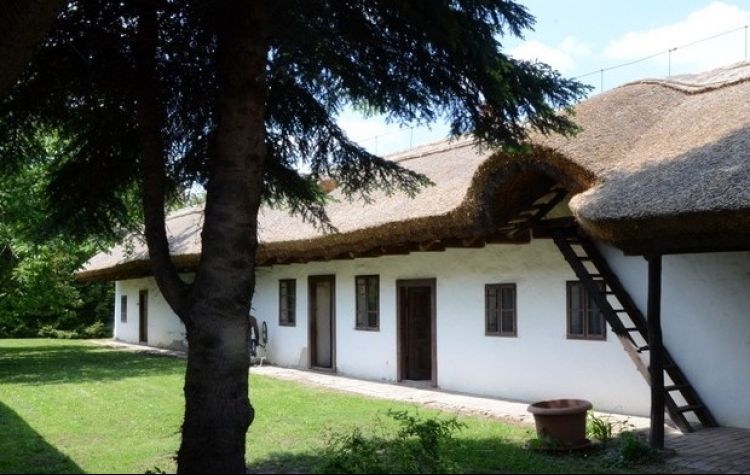
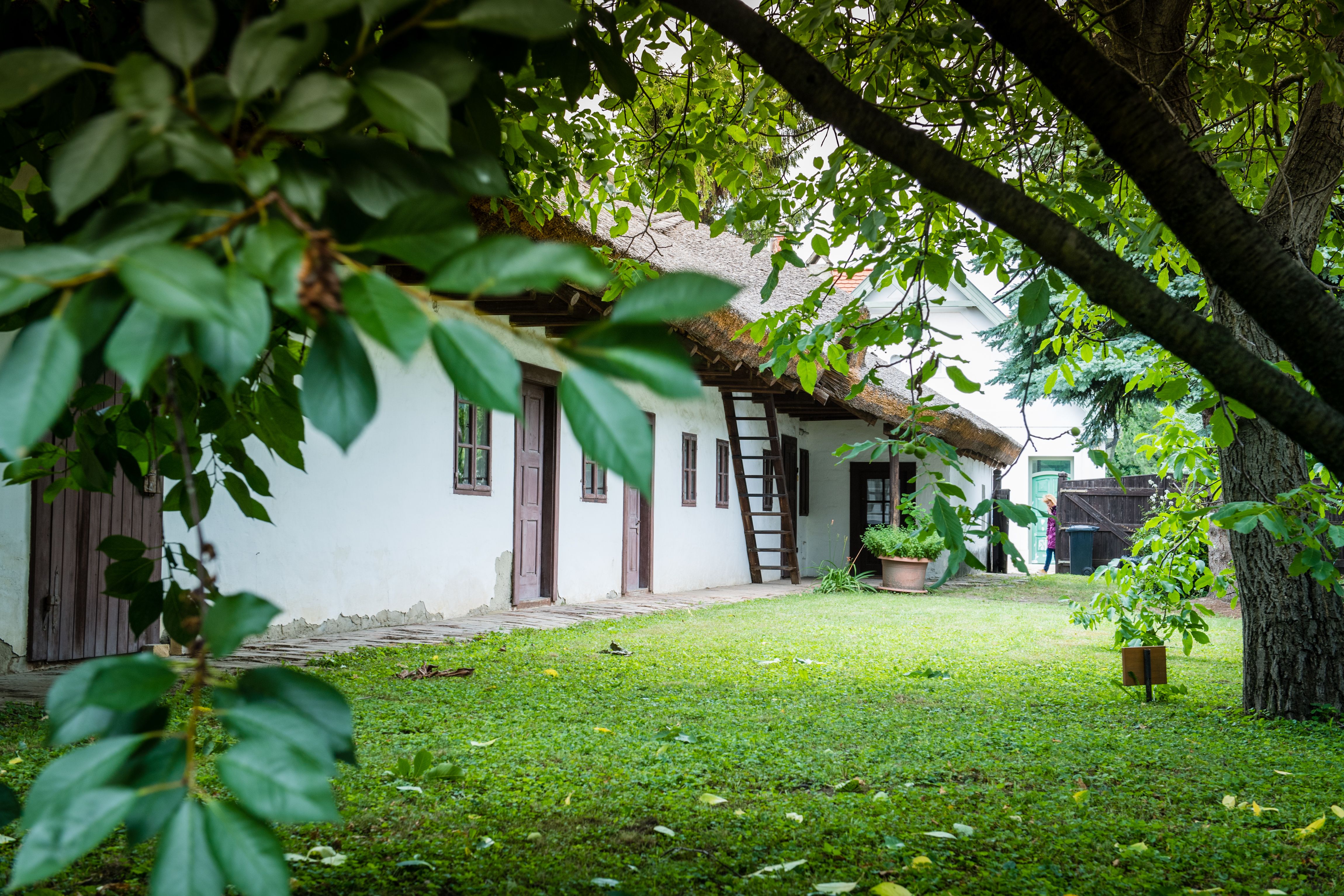
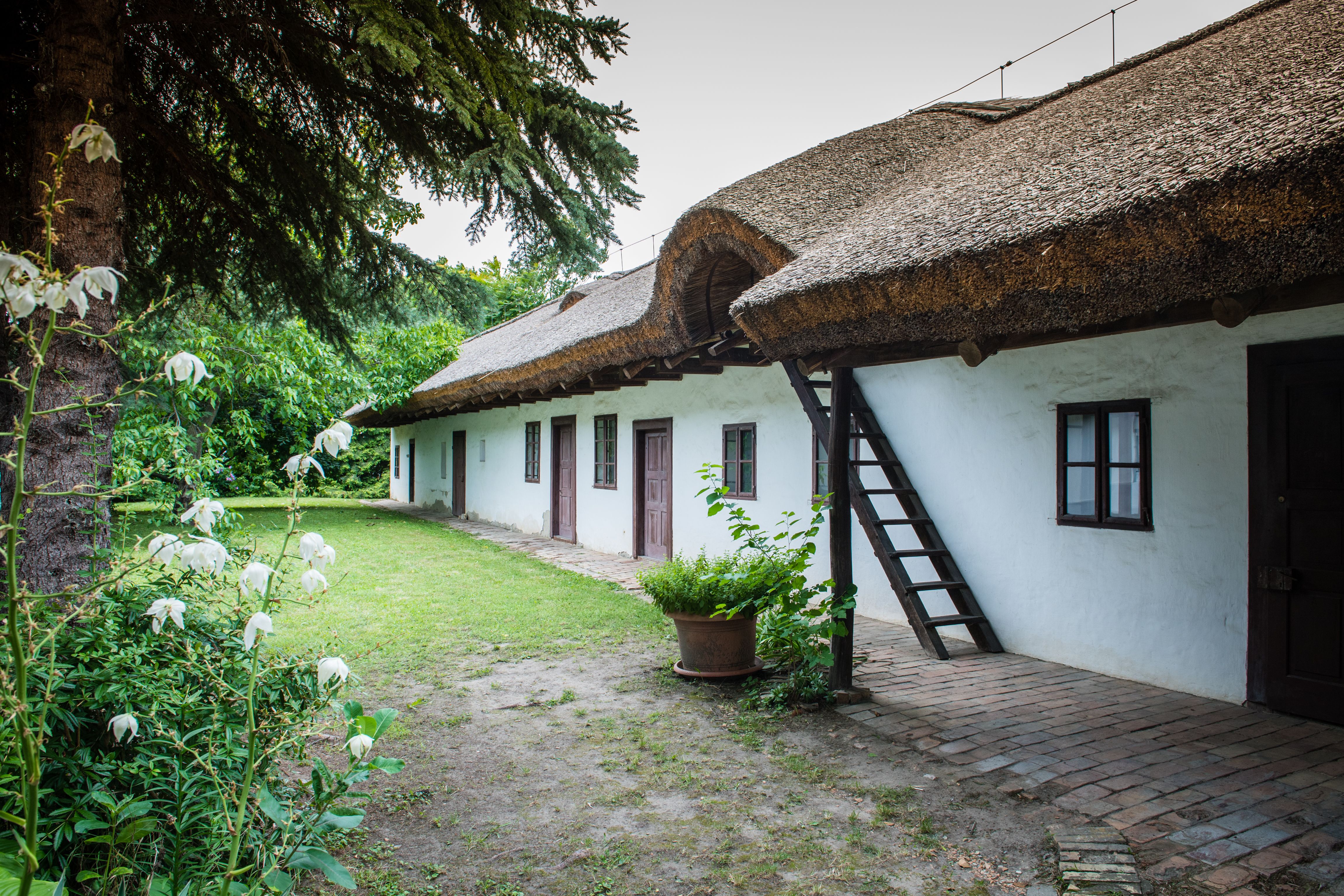
Rác Street in Palotaváros, in the Western part of Székesfehérvár, is surrounded by ten-storey buildings these days. The street, with its Serbian Ortodox church and some old village-style buildings, has been preserved since the 1980s.
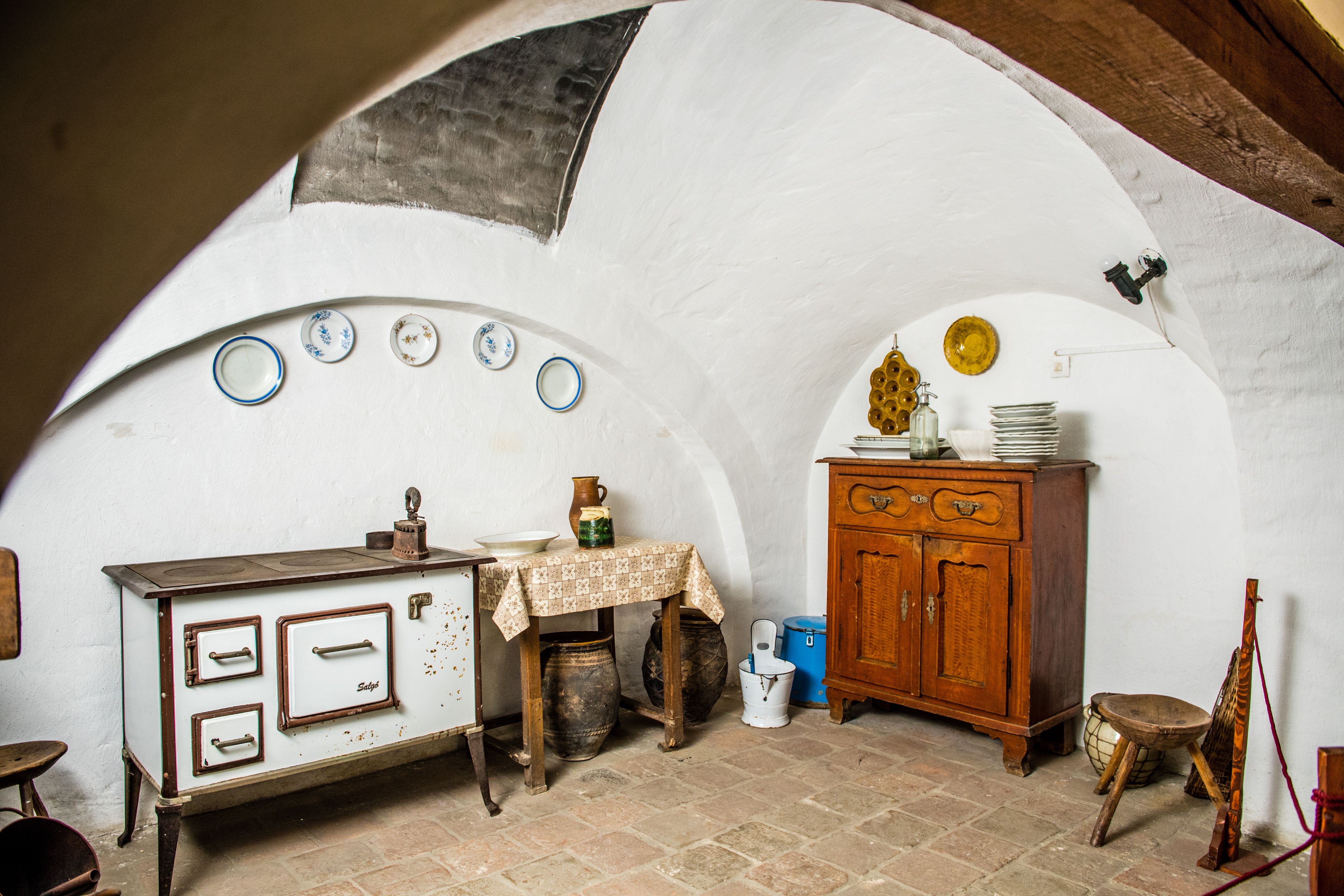
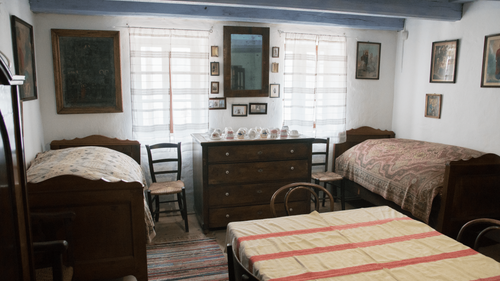
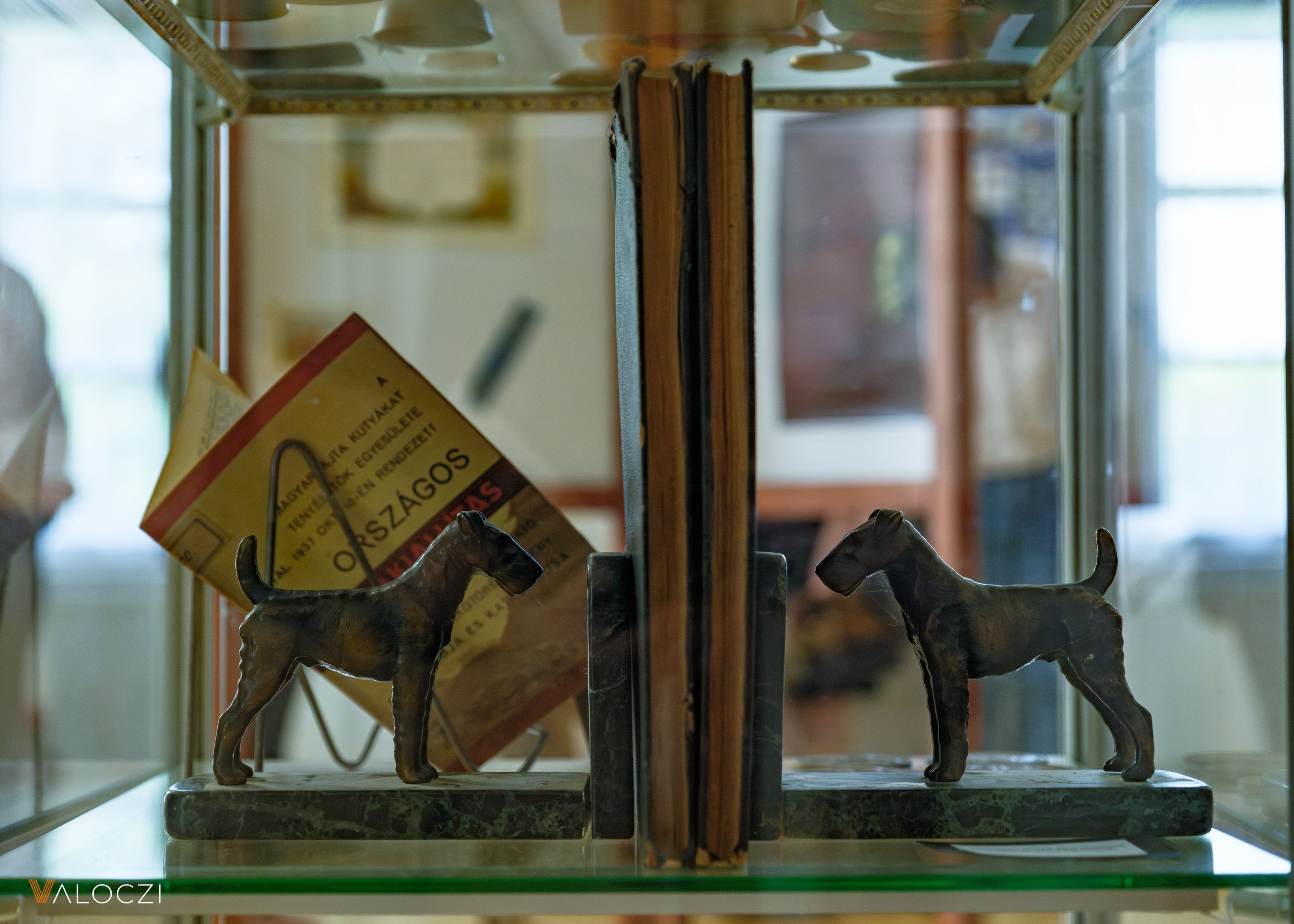
An exhibition entitled “Memories of Palotaváros” opened at 11 Rác Street in 1988 to present the local culture and history. This is the site of one of the most typical Serbian-Rác in old hungarian peasant – houses, not just representing the local architecture, but also containing the original furniture and fittings. The last owner of the building, Danica Csikós, who identified herself as Rác, sold the whole house with its belongings to the museum. The kitchen and the bedroom display her original fixtures and furniture. The second room recalls the one -time society and way of living of the local people of Palotaváros.
The third part of the exhibiton contains the equipment of a local hatmaker, István Dittrich.